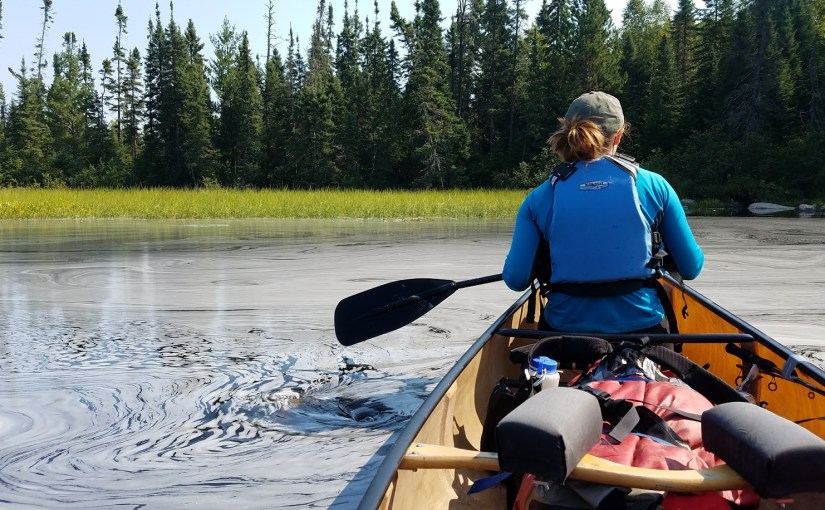
Background
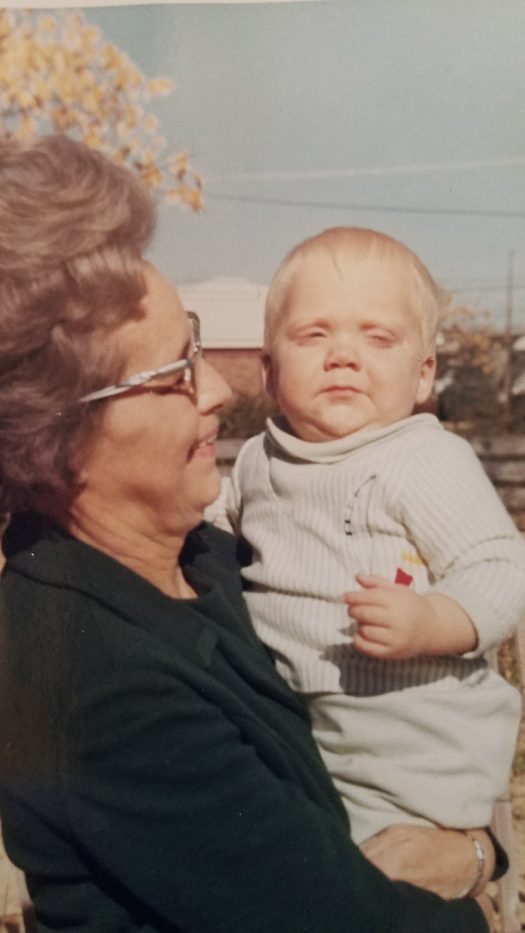
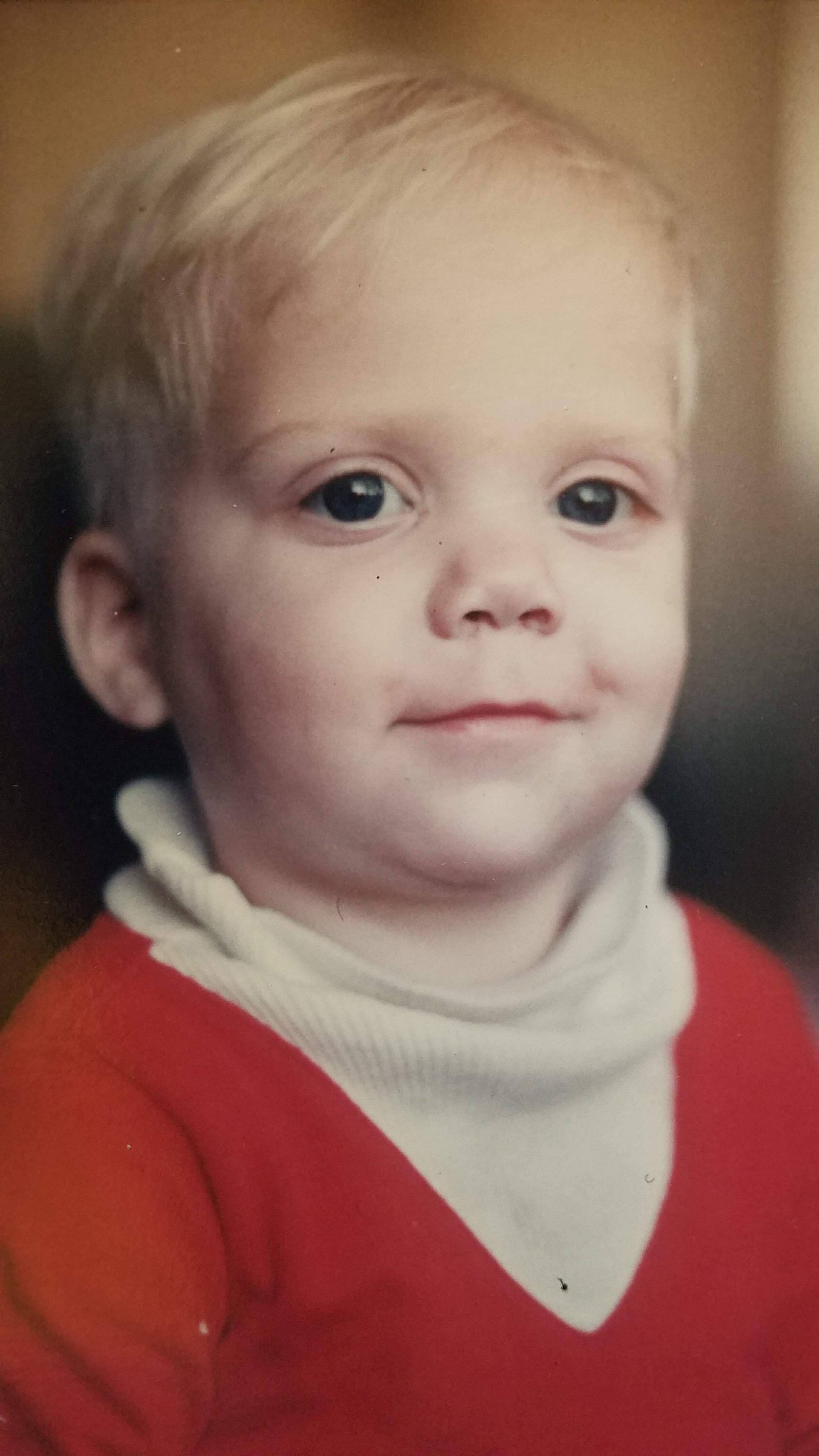
I grew up in and on water, loving all forms of swimming and paddling. My parents thought I was a frog when I was a baby and toddler. I thought I was a frog, too. Maybe I am a frog.

When I first heard about the Boundary Waters Canoe Wilderness Area I had to go. Honestly, I can’t remember when that was and it doesn’t matter now, but suffice to say it was at least thirty years ago.
My water adventures tended to be local to California and the West until a few years ago when I went to Guatemala for some adventure paddling (whitewater kayaking, mostly). That was so amazing I went back the next year and did it again. I remember thinking after the second trip that I had spent over 30 days of the previous 365 in Guatemala on or around water. This kind of “performance measure” thinking led me to actively seek out new water adventures every year. And so began my path towards the Boundary Waters.


Planning for the Boundary Waters – Class IV+ Rapids
The planning for my trip to the Boundary Waters began in earnest when my adventure buddy and good friend, Sarah, moved from California back to her home in Wisconsin. A group of mourning friends talked at her going away party of going that next summer to paddle and explore the Boundary Waters together. I placed a deposit with an outfitter in Ely, MN, and started to research the options. This is incredibly challenging to do from the internet, by the way. There is so much information and so many alternative entry points and routes it is completely overwhelming.
Unfortunately our crew couldn’t get its act together for that summer so I called the outfitter and asked to roll my deposit over to the next year. They agreed without any hesitation and offered to help me put together the trip. This was my first clue to the amazing, friendly spirit of support that complete strangers envelope you in once you decide to do this trip. To help the growing inertia I decided to go to Canoecopia 2017 in Madison, WI, to visit Sarah and see what a paddling focused exposition in the heart of paddling mecca is all about, and to hopefully meet up with outfitters and learn more about the Boundary Waters. It turns out my outfitter, Voyageur North Outfitters, was there, so we talked for almost an hour about the options looking over a map. This was extremely helpful – I cannot emphasize enough the importance of talking to someone (an expert) about your trip.
The plan hatched at Canoecopia was for a five day permit, beginning the last week of August (week before Labor Day), putting in at Entry Point 14 and coming out at Entry Point 16. I originally reserved three kevlar We-no-nah canoes and lodge space at Ely for the night before our put in for a group of six. The list of participants grew and shrunk over time and eventually it was just me and Sarah committed, so in July I amended our reservation to be a three day trip for two paddlers (one canoe). Our put in date was Monday, August 28, 2017, so we had to be in Ely, MN, on the afternoon or evening of August 27, 2017.

The packing list for our trip was borrowed from the internet info and slightly adapted for our needs. I flew to Milwaukee and Sarah picked me up. The next day we shopped for food and packed more carefully, in Wisconsin and then drove to Ely, MN, on Sunday (about a seven hour drive). We bought food for three dinners, three breakfasts and four lunches.

Day 0 – Drive to Ely
We arrived in Ely, MN, and gathered our boat, paddles and permit. The town was buzzing with people and canoes. I was able to sneak up on one moderately sized nest of We-no-nah canoes and capture them sleeping. Our outfitter informed us we could not enter at Entry Point 14 (no permits available) so they got us into Entry Point 16. We had figured out routes for Entry Point 14 (in and out the same way) so we quickly had to scramble some new plans based on the new entry point. We watched a video on the Boundary Waters, got our boat and paddles and checked into our lodge (bunk bed in a room, sharing common space with others).

We ate that night at the local Chinese/Vietnamese take out restaurant, Oriental Orchid, out of a strong desire to get exposed to some local flavors.

Day 1 – Moose River
Bright and early the next morning we made our way to Entry Point 16, also known as Moose/Portage River access. We got there about 8 am and the parking lot was FULL of cars. There were easily 30 to 40 vehicles parked in that lot, totally not what we were expecting. Cars, van and trucks were unloading all around us, and the challenge was on – the bounty was a choice first come, first served campsite.
We loaded up our backpacks and I put the canoe yoke on my shoulders and we began the 1/2 mile first portage. On the trail we had to take a break because I dropped my cell phone after a clumsy return to my pdf after trying (and failing) to get a photo of Sarah in pack mule mode. I had to backtrack and was met by some more nice humans who found my phone and were bringing it to the city slicker. At the put in we waited for them to get in the water and marveled at the beauty of Moose River.


We paddled and portaged like this for a while (about five to six miles, total, with three more portages, none very long). We single portaged each, though, which allowed us to pass not only the party in front of us but two other parties, too. This was a very conscious choice on our part, we wanted to get in to the Lake Agnes area with as many campsite choices as possible. Sarah not only had 50 pound pack on her back but she was cradling the 20 pound food bag like a baby, using the paddles as a sort of front-frame backpack. Badass. The full parking lot, parties in front of us, and naivete about the whole process had turned us into a competitive portage package (and since Sarah is badass I had to show I could keep up).

At the North end of Nina Moose lake we found the “sandy beach” landmark that leads to teh portage to Lake Agnes, so we took a small break. The mosquitoes were fierce at this beach.

Eventually we made it to Lake Agnes and immediately encountered a free campsite. Right across the water from the one we found, though, was the one our outfitter guide (John, the nice one) told us to try to get. It was occupied, though. Knowing we were only about ten minutes ahead of the next party coming down the Moose River we decided to take the one in hand and immediately started planning our naps.


This turned out to be an awesome campsite, despite the fact that ten minutes after landing on our beach the site across the way opened up (and the ladies right behind us got it). We set up our tents and napped, exhausted from the challenge of getting in first.
After napping we went fishing, or as Sarah probably calls it, “Greg threw random shit in the water and hoped a fish was dumb enough to get snagged or something.” More importantly, I was able to get some cool photos with my Nikon big rig.


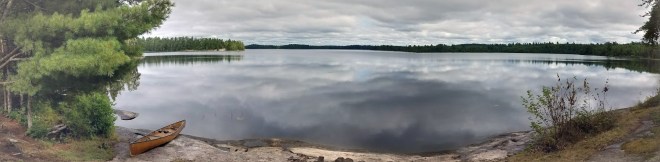

We made our first dinner (tomatillos, shitake, canned chicken stew) and ate it up. We also tried infusing our gin with lemongrass and lime, and then tried a tea made of the same elements to add to the warm gin. None of this made anything very delicious but it was good science (lots of controls, replicates, redundancy and peer review).
The baby squirrels, or chipmunks as most people call them, came to say Hi, along with a scaredy cat raven (who was unafraid of us but terrified of the canoe bow). After dinner we marveled at the clouds and sunset and I went paddling at dusk, mainly to escape the bugs. Sarah stayed back and snapped this shot of, probably the best shot ever taken of me in my happy place.

During my paddle I discovered an enchanted landscape of moss, lichen, and other crazy ground cover plants, all soft as a mink’s pelt (I am actually not very familiar with dead mustelid pelts but I am guessing they are pretty soft).

We hoisted our food into the air to deter bears and other animals from eating it and went to bed just after dusk. The sleep that first night was good, but we both were awakened by the sounds of a brass marching band warming up on the lake (also known as trumpeter swans). It sounded as if the band was very close. We both laughed at it because it sounded so ridiculous. The peaceful quiet of the area and surface of the lake made for disorienting auditory conditions, though. The buzz of thousands of bees, so loud they could be in your head, but they were so high up in the trees you could not even see them. And we heard loons, often without seeing them, from across the lake and maybe even from other, nearby lakes. They made one sound that was like howling wolves.
Day 2 – Day Trip to Canada!
The sunrise on Day 2 was stunning, a crazy sky of yellow sun and cool cloud (slightly oranged by smoke).

We ate breakfast (scrambled eggs with dry cured meats and some blueberries) and decided to adventure that day up to the Lac la Croix, where the boundary with Canada passes invisibly under you while you paddle.

After breakfast we packed a day bag, our water and then hoisted the rest of the food in the air at the campsite. We made our way across Agnes Lake to the North end to portage our way to La la Croix. The portages on this leg were not bad and we met others along the way, again. Having a lighter load made them easier, too. One was optional but it saved a mile or so of paddling so it was a no-brainer.
Along the way we encountered a crew of four men, two dads and two sons, we presumed. This crew was single portaging, too, and had heavy loads. The younger men were occasionally carrying packs on front and back, while the dads (tough, Eagle Scout super warrior type dads) would carry a pack and boat in some cases. These guys had axes and other large tools hanging out of their canvas boy scout looking packs. They wore street clothes, too. The whole picture was like something out of a 1960s Norman Rockwell scene. Except their boats, which were 17 feet and many thousands of dollars of kevlar sexiness.
We set out in Lac la Croix Boulder Bay, headed for the pictographs. We studied the map well and determined it was a long paddle but maybe doable. We saw the Norman Rockwell Navy Seals crew set up camp in a prominent island and made note to look for that on the way home in case we needed a carved out canoe or something.


As we approached a large, painted rock that we assumed to be Warrior Hill we encountered a strong wind, coming sort of from behind and across our path as we headed almost due North. In the small bay after this large painted rock we saw a beach that looked perfect to eat lunch at, so we stopped, ate some lunch and took a swim.

The time was now about 2 pm local and we knew we had at least three hours of paddling to get home, so we decided to call our trip to Canada complete and head home. The paddle back South was not easy as the wind was now almost full head-on. We used islands as milestones and eventually made our way back to Boulder Bay. The portaging and paddling became tiring but we took our time, ate snacks every three hours and drank plenty of water. The latter was mostly true for me, but definitely true after we talked about our prior kidney problems.

When we got to camp our backs and butts were quite sore from sitting and paddling all day (total paddling and portaging of 14 miles). So I went to check on the Death’s Door gin, being guarded by two lovely frogs, and Sarah did some stretching.


After we rested we made dinner #2, which was a delicious peanut sauce-based chicken and broccoli dish. Lots of ginger, garlic, onion and bell peppers sauteed with the chicken and broccoli. We both agreed we would have paid good money to eat this at a restaurant and would have been happy with the value.
After dinner we paddled to the enchanted forest rockscape to marvel at how our rocky campsite must have looked before humans came and domesticated it.


We ate some chocolate, watched the sunset and went to bed. That night I was visited by a pair of mice all night. They were having a ball running over my mesh tent roof, inches above my face, always the same direction – starting at my head (in the “foot” area of the tent due to poor ten setup and ground slopage issues) and ending with a catapult off the high end of the tent roof. It was like they were racing or something. I tried to scare them off a few times but they liked it better when I punched the mesh, clearly these mice had the same love of amusement park rides that Sarah confessed. The bouncier, faster, twistier, the better. I studied them as any good naturalist would do and determined they were eating bugs that liked the underside of my tent’s fly. The fact that the internet doesn’t support this theory at all is just more proof of the fake news syndrome afflicting the world. Later in our trip we would learn from other campers that our awesome guide, John, had once annotated a map for them, too. They proudly chose a campsite that said, “Nice” next to it, only to learn that night John had tried to warn them about, “Mice.” So, yeah, this is a thing in some campsites.
The marching band (trumpeter swans and geese) also came to visit that night. The wind came up at some point and Sarah got up move the canoe to higher ground.
Day 3 – Egress up Moose River

On our third day and second morning in the Boundary Waters we made another delicious scramble for breakfast and packed up our campsite by 10 am.

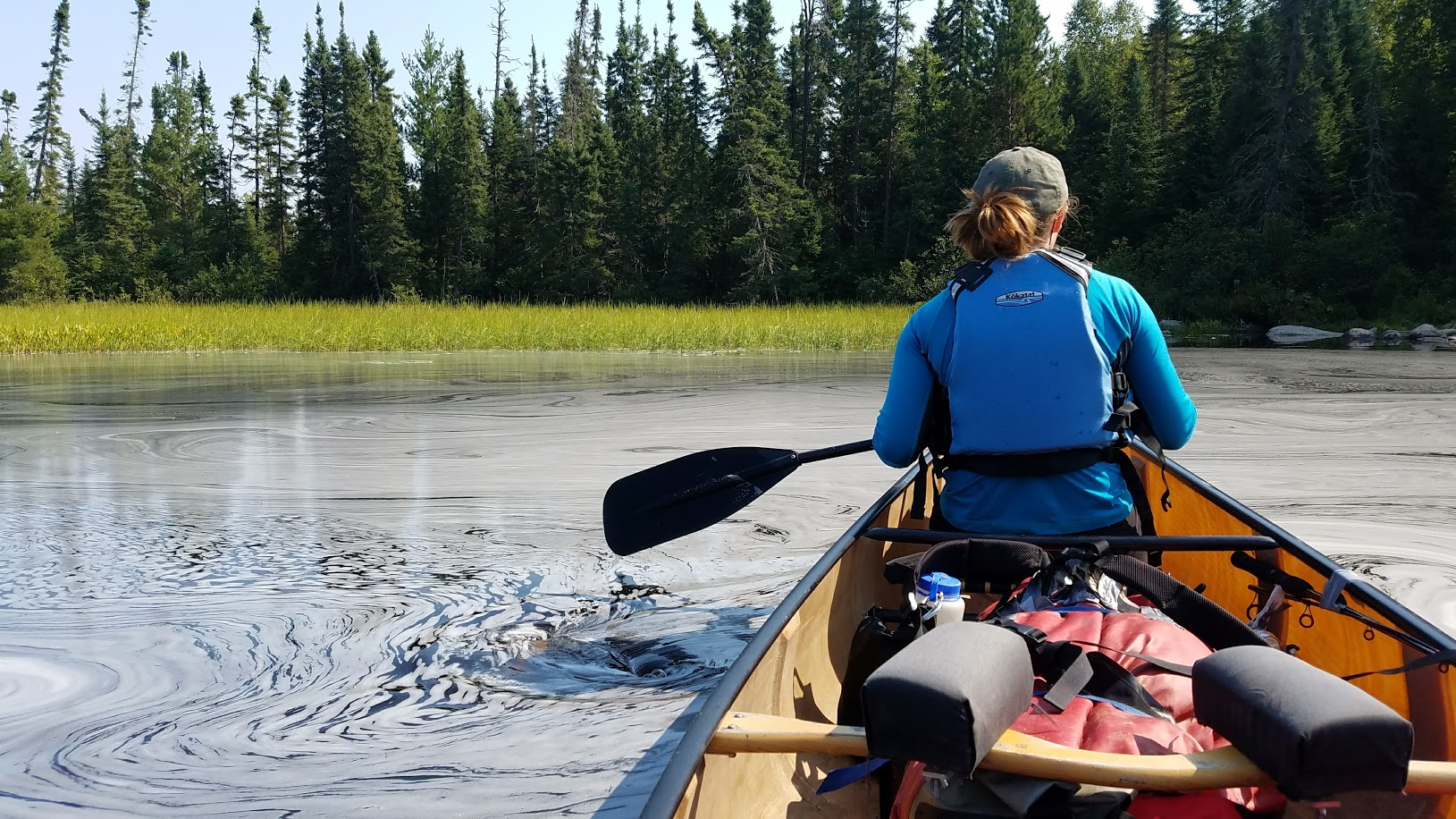
The paddle out was nice and upstream all of the way. We knew the portages – all uphill this time – and the paddling reaches, both of which were much more technical than the downstream journey two days prior. The techniques for paddling upstream in a narrow channel required much more rapid steering and sweep strokes, and maintaining momentum is way more important in this type of paddling than the use of casual j strokes and cruising in the downstream reaches. We got a great workout on all the days but this last day was downright brutal. And fun.




Summary
The Boundary Waters are an incredibly special place. The three day journey we took was simply an introduction, but it resulted in love at first sight. I am so happy I was able to take this trip and am forever grateful to Sarah for her help in making this dream come true. We covered 28 miles by water and foot in our three days of camping, by the way. This is not easy territory to move around in at that pace every day, but most people go in and stay in one place for a while, and they stay about 10 days on average (from our meager sample of surveying other campers). One family had three small kids, the oldest about 7. They were staying in for 10 days. Another couple looked to be in their late 60’s or early 70’s and had an aluminum canoe and lots of gear. I can only imagine how much more difficult that boat and stuff would have been to portage and maneuver in the channels. Bottom line is that almost anyone can do it, and almost everyone should do it. You will see wilderness area that is really special and you will encounter wildlife that will amaze you, and you may even find some nice humans like we did (everywhere).
 ola (life) | wai (water)
You must be logged in to post a comment.